Art & History

An itinerary through art and history in one of Italy’s most beautiful villages. Take your time to admire the many wonders it has to offer.

Nature, Relaxation, Art, Sports, and Fine Cuisine: these are the defining traits that make Brisighella a town requiring no elaborate praises or introductions. It proudly stands among Italy's Most Beautiful Villages and boasts prestigious certifications, including the Orange Flag Award by the Italian Touring Club, underscoring its excellence and the high quality of life it offers.


Brisighella: The Ancient Village

The story of Brisighella, nestled on the hills of Ravenna and surrounded by the lush green landscape of the Vena del Gesso Romagnola Regional Park, dates back to the distant Middle Ages. This gem in the heart of the Tuscan-Romagnolo Apennines is one of Italy's most beautiful villages, offering a perfect blend of history, charm, and natural splendor.

Situated along the ancient route connecting the port of Ravenna to Florence, Brisighella’s historic center has survived intact through the centuries, preserving its medieval soul.

The village reveals itself through a maze of cobblestone alleys, narrow streets, and gypsum-carved walls, winding their way up the hills that cradle the town. Exploring these paths—where every climb and descent demands to be taken on foot—you’ll discover stunning views and charming details, all highlighted by the pastel hues of the ancient houses that line the streets.


If you’re visiting Brisighella for the first time, don’t miss the chance to stroll down the Ancient Street of the Donkeys, locally known as Via degli Asini. This vibrant and picturesque medieval street once encircled the village, safeguarding it from external threats and connecting it to the town’s first defensive walls.

Seven centuries ago, the residents of Brisighella—particularly the cart drivers—used this road to transport heavy blocks of gypsum from the quarries on the surrounding hills to the town center, using carts pulled by donkeys.

This unique history gave rise to the street’s famous nickname, "Via degli Asini". And trust us—you won’t be able to resist snapping a #selfie in this iconic and highly photographed street, a true hallmark of the village!

Let the charm of Brisighella’s history and beauty captivate you, as every corner tells a story and invites you to experience the enchantment of one of Italy’s most treasured villages.


Are you a lover of medieval history, captivated by its timeless and enchanting allure?

If so, it's time to meet the reigning lady of the town—a powerful and magnificent presence that rises majestically above the horizon, commanding the entire valley with its monumental grandeur.

We’re talking about none other than the ROCCA DI BRISIGHELLA, her majesty the fortress!


A Jewel of Medieval Architecture

Perched atop one of the three hills encircling the village, the fortress was constructed in 1310 by the Manfredi family, noble rulers of Faenza, and remained in their possession until the 1500s. From 1503 to 1506, it fell under Venetian control before becoming part of the Papal States.

A rare and pristine example of a medieval fortress, the Rocca di Brisighella has withstood the test of time, retaining its original defensive features. Visitors can still admire its drawbridge chain slots, machicolations, murder holes, and the many paths that run along the top of the defensive walls, offering an authentic and exhilarating dive into history.


A Journey Through Time

Recently, the fortress underwent significant restoration, which included the redevelopment of the STRADA DELLA ROCCA.

This scenic pedestrian route invites you to experience nature and history in perfect harmony. Winding gracefully through the rolling and rugged hills of the village, the path embraces the town, offering breathtaking panoramic views of the entire valley.

Close your eyes for a moment and imagine yourself standing at the very top of the fortress. The wind tousling your hair, the sounds of nature enveloping you, and the cool, fresh air brushing against your face. Now open your eyes. What do you see?

It’s impossible to remain unmoved by the awe-inspiring natural vistas provided by the Parco del Carné—an untouched green oasis spanning over 70 hectares. Stretching from the base of the fortress to the verdant horizon of the valley, this unique gem of Romagna defies description and demands to be experienced at least once in a lifetime.


See It to Believe It

Brisighella, one of Italy’s most beautiful villages, offers a variety of itineraries to suit every taste. Dedicate a day to art and history, but remember one important rule: Brisighella is a Città Slow—a Slow City—so take your time, savor every moment, and enjoy the journey at your own pace.

The Lamone Valley, enriched by the Roman construction of the Via Faentina, has been home to human settlements since the Neolithic age. The medieval village traces its origins to the late 13th century, when a tower was built atop one of the three hills, giving rise to the village below.

Brisighella is a labyrinth of medieval alleys and remnants of ancient walls. Yet, its most defining feature is the trio of hills crowned by its landmarks: the Rocca, the Clock Tower, and the Sanctuary of Monticino. Together, they frame a landscape of unparalleled beauty.


Discover Brisighella, where history, nature, and culture come together to create a timeless experience.


Stop 1 - The Village

a) VIA DEGLI ASINI (The Donkey Street)

The Ancient Street of the Village, also known as "Via degli Asini" (Donkey Street), owes its name to the shelter it provided for the donkeys of the cart drivers who once lived there. This covered street, dating back to the 12th century, is one of the most enchanting spots in Brisighella and is famous for its unique architectural design. Initially built as a defensive stronghold for the old village, it now stands as a hallmark of the town’s history.


b) THE TOWN HALL (Palazzo Comunale)

Brisighella’s Palazzo Comunale boasts a Palladian neoclassical façade and was constructed between 1824 and 1828 by engineer Antonio Melari. The entrance gate proudly displays the town’s emblem, a rampant goat, symbolizing the municipality.


c) G. UGONIA CIVIC MUSEUM

The G. Ugonia Civic Museum honors Giuseppe Ugonia (1881–1944), a distinguished painter and lithographer from the region. His works, celebrated even at the British Museum in London, capture a poetic vision of Brisighella, inspired by the village’s beauty.

Admission to the museum, which also includes access to the Rocca fortress, is an incredible value at just €3.

OPENING HOURS

May to September: Saturdays, Sundays, and holidays: 10:00–12:30 and 15:00–19:00

April and October: Saturdays, Sundays, and holidays: 10:00–12:30 and 15:00–17:00

November to March: Saturdays: 15:00–17:00 | Sundays and holidays: 10:00–12:30 and 15:00–17:00


d) THE REMEMBRANCE PARK (Parco delle Rimembranze)

With its striking monumental fountain, the Parco delle Rimembranze is one of Brisighella's most cherished and well-known landmarks. The park was designed by none other than Giuseppe Ugonia, blending history with tranquility.


e) THE OLD FOUNTAIN (Fontana Vecchia)

Dating back to 1490, the Fontana Vecchia is Brisighella's oldest fountain, fed by the pure waters of the gypsum vein. Historically known as “la funtana di tri sbroff,” it remains a testament to the town’s enduring connection to nature and its resources.


Stop 2 - The Three Hills

a) THE ROCCA

Built in 1310 by the Manfredi family, noble rulers of Faenza, the Manfredian and Venetian Fortress remains a stunning example of medieval architecture. It stayed in the family’s possession until the 1500s, when Cesare Borgia took ownership, only to pass it to the Venetians in 1503. From 1509 onward, it became part of the Papal States.

The Rocca has undergone recent restoration, including improvements to the Strada della Rocca (the pathway leading to it) and its illumination, adding to its timeless allure. Today, it houses a fascinating permanent museum that explores the relationship between humans and gypsum, showcasing the area’s historical significance.

The Venetian Tower also contains an educational exhibit focusing on the medieval and Renaissance periods and the fortress’s construction.


SUMMER HOURS

May to September: Saturdays, Sundays, and holidays: 10:00–12:30 and 15:00–19:00.

June 6 to September 8: Also open Tuesday to Friday: 10:00–12:00.

April and October: Saturdays, Sundays, and holidays: 10:00–12:30 and 15:00–18:00.

WINTER HOURS

November to March: Saturdays: 14:30–16:30 | Sundays and holidays: 10:00–12:30 and 14:30–16:30.

Admission: Combined ticket for Rocca and Giuseppe Ugonia Civic Museum: €3.00


b) THE CLOCK TOWER (Torre dell'Orologio)

The Clock Tower, the earliest of the three iconic structures, was built in 1290 as part of Brisighella’s defensive system, alongside the Rocca. It was constructed under the leadership of Maghinardo Pagani, one of medieval Romagna’s greatest commanders. The tower was entirely rebuilt in 1850, at which point the clock was also installed, adding to its historical significance.


c) THE MONTICINO SANCTUARY (Santuario del Monticino)

This hill, once known as Monte Cozzolo or Monte Calvario, saw the construction of its first chapel in 1662, which was later replaced by the current sanctuary, built in 1758. Over the centuries, the sanctuary has undergone several renovations, reflecting its enduring importance to the local community.

Behind the sanctuary lies an open-air Geological Museum, situated on the site of a former gypsum quarry, providing visitors with a unique opportunity to explore the region's geological history while enjoying breathtaking views of the landscape.


Stop 3 - Pieve Thò

Head out of the village toward Tuscany, along the Strada Statale 302. At the eighth mile, you’ll find the Pieve di San Giovanni Battista, also known as Pieve Thò.

This Romanesque church, with its remarkable simplicity, is an exceptionally evocative and uniquely beautiful site. Legend ties its origins to Galla Placidia, daughter of Emperor Theodosius, who is said to have built it using materials from a temple once dedicated to Jupiter Ammon. Its construction is believed to date back to between the 8th and 10th centuries, atop Roman ruins.


Opening Hours

April 15 to October 15: Sundays and holidays: 15:00–18:00

October 16 to April 14: Sundays and holidays: 14:30–16:30

June 9 to September 12: Tuesday to Saturday: 15:30–17:30

For more information: +39 0546 81166 (Pro Loco)


Useful Links

Pro Loco: www.brisighella.org

For guided tours of Brisighella and other art cities in Emilia Romagna: brisighellatailorguide.com

Brisighella tra i borghi più belli di Italia

Brisighella

proudly stands among Italy's Most Beautiful Villages

Lesen Sie mehr

Book Online from our website!

The best price guaranteed with 7% savings compared to all other websites!

Book a room
Brisighella as a starting point

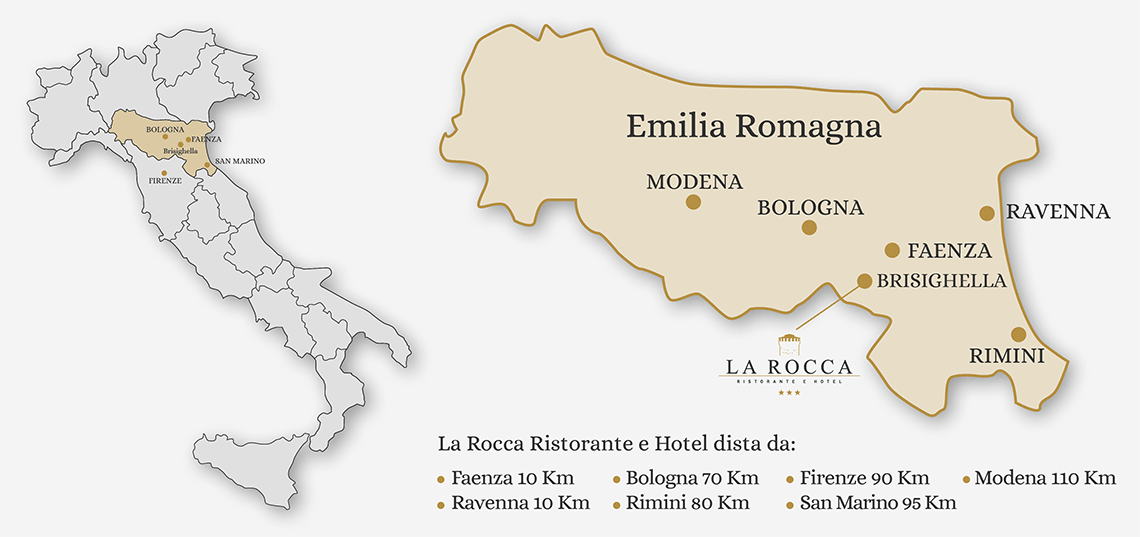
La Rocca Hotel is an ideal base from which to travel and move around Romagna, thanks to its’ central position and closeness to cities of art, the sea and the Apennines!
Elementi di info Bisighella - gruppo unico chiamato in layouts
Cities of Art

Cities of Art

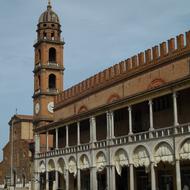
We are close to Faenza (10km) known for its ceramics, Imola (27km) and Dozza (36km). Make sure you visit the Byzantine city of Ravenna (55km), the region’s capital Bologna (70Km), Florence (92km) and Ferrara (112km).
Nature Walks

Nature Walks

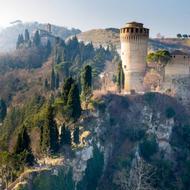
The Parco della Vena del Gesso and the Parco delle Foreste Casentinesi has breathtaking views, small villages and magical groups of houses which remain in your heart, all to be enjoyed either on foot or by bicycle.
The Romagnola Riviera

The Romagnola Riviera

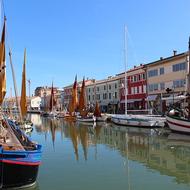
An afternoon at Cesenatico Port, designed by Leonardo Da Vinci, an evening in Cervia and Milano Marittima, a night in Rimini, Riccione and San Marino. The Romagnola Riviera is a stone’s throw away!